吨包(FIBC)自动包装与拆包系统
从灌装称重、除尘、输送码垛,到拆包投料与残袋处理:吨包环节的粉尘、精度与人工强度,是三件事而不是一件。
一、两类工序,别混在一起谈
灌装(包装):空袋套袋→定量灌装→称重补料→压实/排气→封口/缝包→输送码垛。拆包(投料):吨包吊装→割袋/解袋→抖袋→筛分→废袋压缩。
很多项目把两端分开招标,结果中间靠人工转运,粉尘与人工强度并没有下降。更合理的做法是先算清每班袋数、单袋重量、转运距离,再决定两端是否联动。
二、系统组成
- 灌装单元:称重平台/吊挂称重、灌装头、夹袋或充气密封、除尘接口;
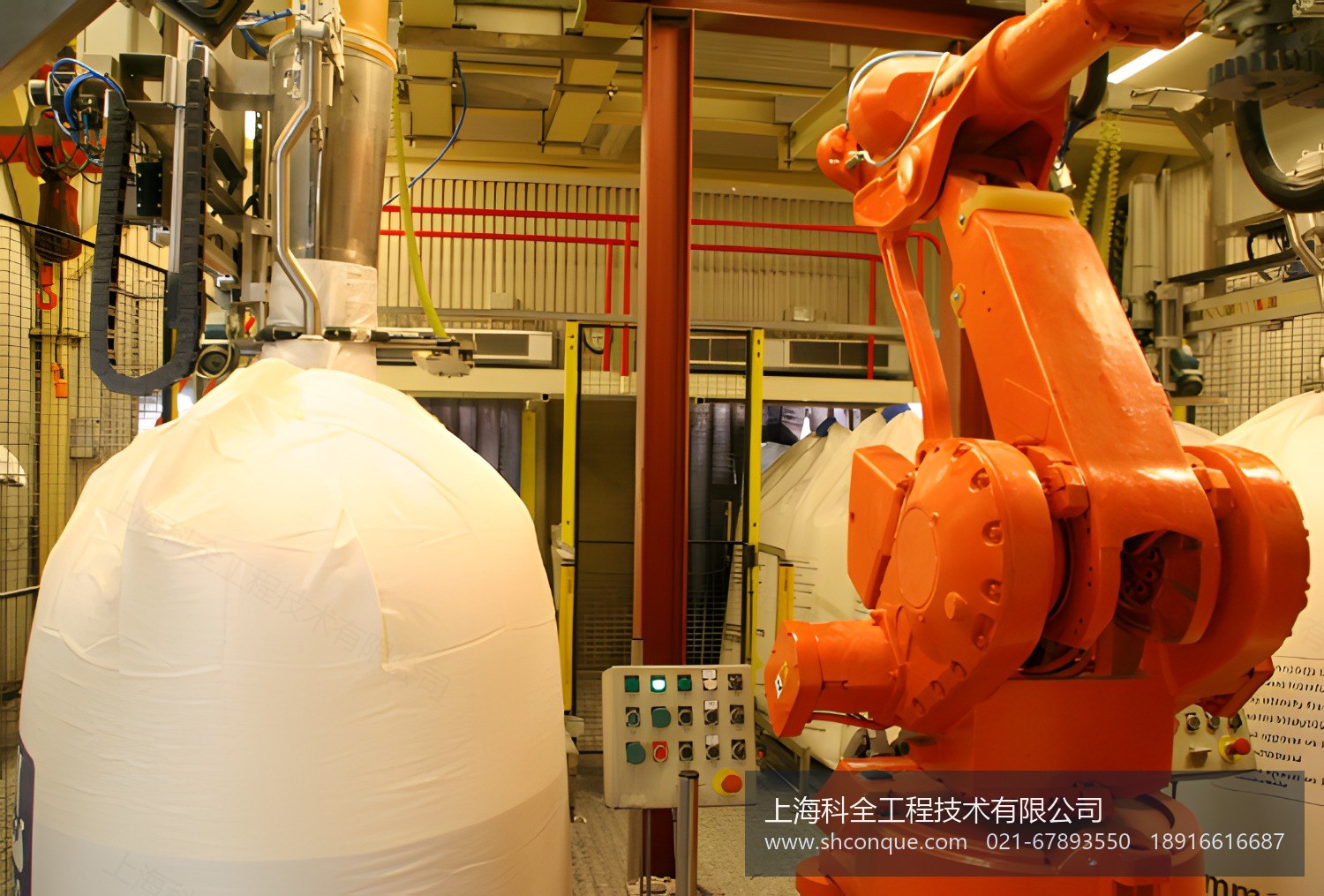
- 输送与码垛:辊道、链板、旋转台、机器人或桁架码垛;
- 拆包单元:电动葫芦/行车、拆包站、振动筛、废袋压缩机;
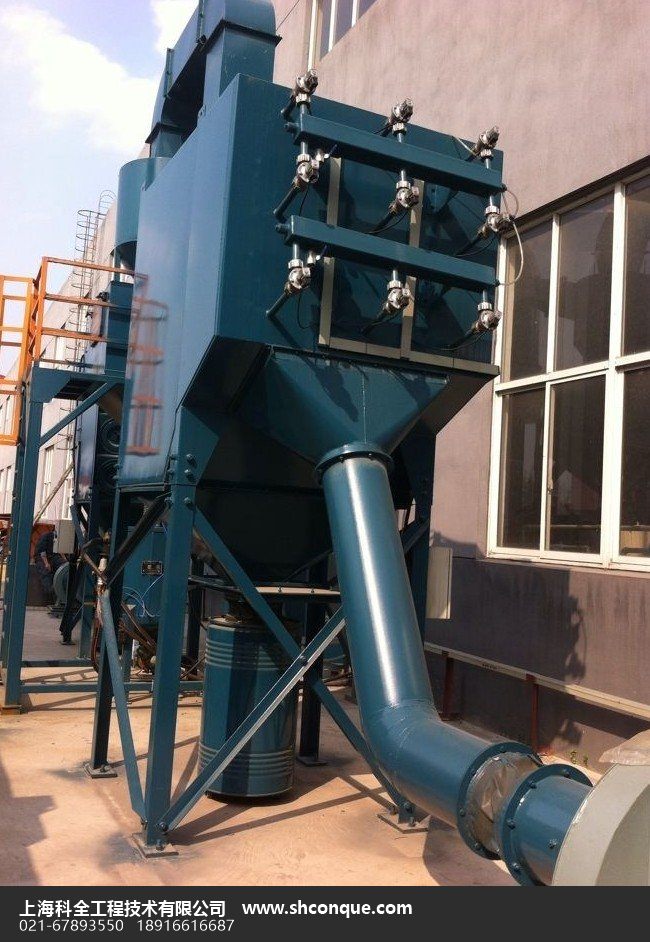
- 除尘:灌装口与拆包口局部密闭,接除尘器,避免全车间负压过大。
三、选型要点
| 要素 | 要确认的内容 |
|---|---|
| 袋型 | 袋体尺寸、吊带形式(四吊/单吊)、进料口与出料口结构 |
| 单袋重量 | 常见 500 / 1000 / 1200 kg,决定称重平台与吊装能力 |
| 产能 | 袋/小时,含换袋与封口时间,不能只算灌装时间 |
| 物料 | 堆密度、流动性、扬尘性、是否易吸潮 |
| 现场 | 层高(吊装与灌装头行程)、防爆分区、地面载荷 |
层高是*容易被忽略的一项:灌装头、吊具、袋体长度三者叠加,往往比设备本身的占地更早卡住方案。
四、常见问题
吨包灌装精度能做到多少?
取决于称重方式与补料策略。吊挂称重受袋体摆动影响,平台称重更稳;通常采用“大流量快加 + 小流量慢加”两段给料,具体偏差按物料与产能核算。
拆包站一定要配除尘器吗?
扬尘性物料基本必须。局部密闭 + 小风量除尘,比整个车间加大负压更经济,也避免把物料抽走。
能不能一条线兼顾灌装和拆包?
物理上可以共用输送与除尘,但工序节拍与洁净要求不同,通常建议分区布置,共用除尘与压缩空气系统。
吨包机需要几个人?
全自动配置下主要是套袋与巡检;半自动仍需要人工套袋。是否上自动套袋,取决于袋型一致性与投资回收期。
English Overview — FIBC Filling, Weighing and Discharging
Bulk bag (FIBC) handling covers two different jobs that are often confused: filling a bag under control, and discharging a bag into a process. They share a frame and a dust system, but the mechanical design is different.
On the filling side the bag is suspended, inflated, filled by weight and settled before release. On the discharging side the bag is lifted, opened at the spout and metered into a hopper or conveyor.
- Filling — 500–2,000 kg per bag, 10–40 bags/h, weighing accuracy ±0.2% with dual-speed feed.
- Dust control — bag inflation and displacement air are extracted through a local collector; this is the difference between a clean room and a grey one.
- Discharging — the bag spout is clamped to a dust-tight station with a massager or vibrator for poor-flowing powders.
| Parameter | Typical range |
|---|---|
| Bag weight | 500 – 2,000 kg |
| Capacity | 10 – 40 bags/h |
| Weighing accuracy | ±0.2% of setpoint |
| Bag types | FIBC with top fill / bottom discharge spout |
| Dust control | local cartridge or bag filter |
| Options | pallet dispenser, stretch wrapper, metal detector |
Why is weighing accuracy worse than the load cell spec?
The bag is a flexible vessel. Product falling from the feed point, bag stretch and air displacement all move the reading. Dual-speed feeding plus a settle delay before the final cut is what actually delivers ±0.2%.
Can one station both fill and discharge?
It can, but rarely well. Filling needs the bag suspended and inflated; discharging needs it clamped and massaged. A combined frame compromises both, and cleaning between products is harder.
What about explosion-proof areas?
Ground the frame and the bag, use antistatic FIBC, and select motor and sensor ratings for the zone. Dust extraction must be rated for the same zone as the filling head.
五、现场图集