气力输送系统:稀相、中间相与密相
同一套物料,风速选高了磨碎、选低了堵管;气力输送的核心不是“能不能送”,而是“用什么状态送、压损多少、磨损多大”。
一、三种输送状态
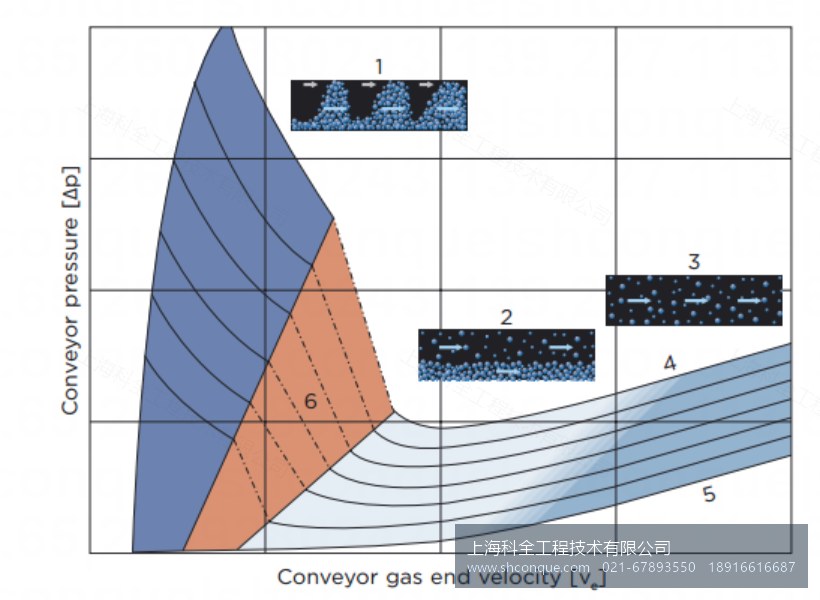
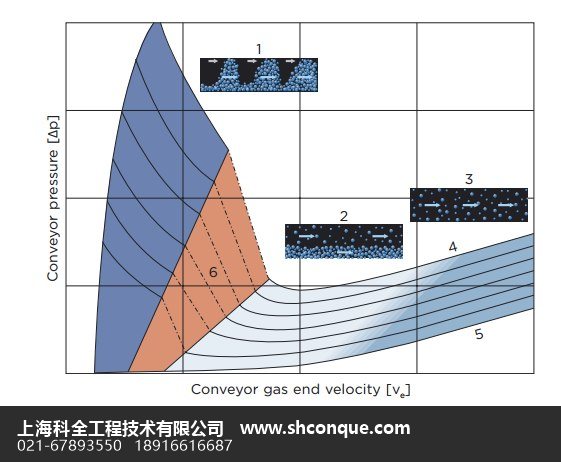
按料气比与风速,气力输送大致分三段:稀相(颗粒悬浮、风速高、磨损与破碎风险大)、中间相(不稳定区,容易脉冲与堵管)、密相(低速、高料气比、磨损小但压损高)。
选型时先定状态,再定气源与管径;反过来做(先买风机再配管)通常会在调试阶段返工。
二、系统组成
- 气源:罗茨风机、螺杆压缩机或真空泵,含储气罐与干燥过滤;
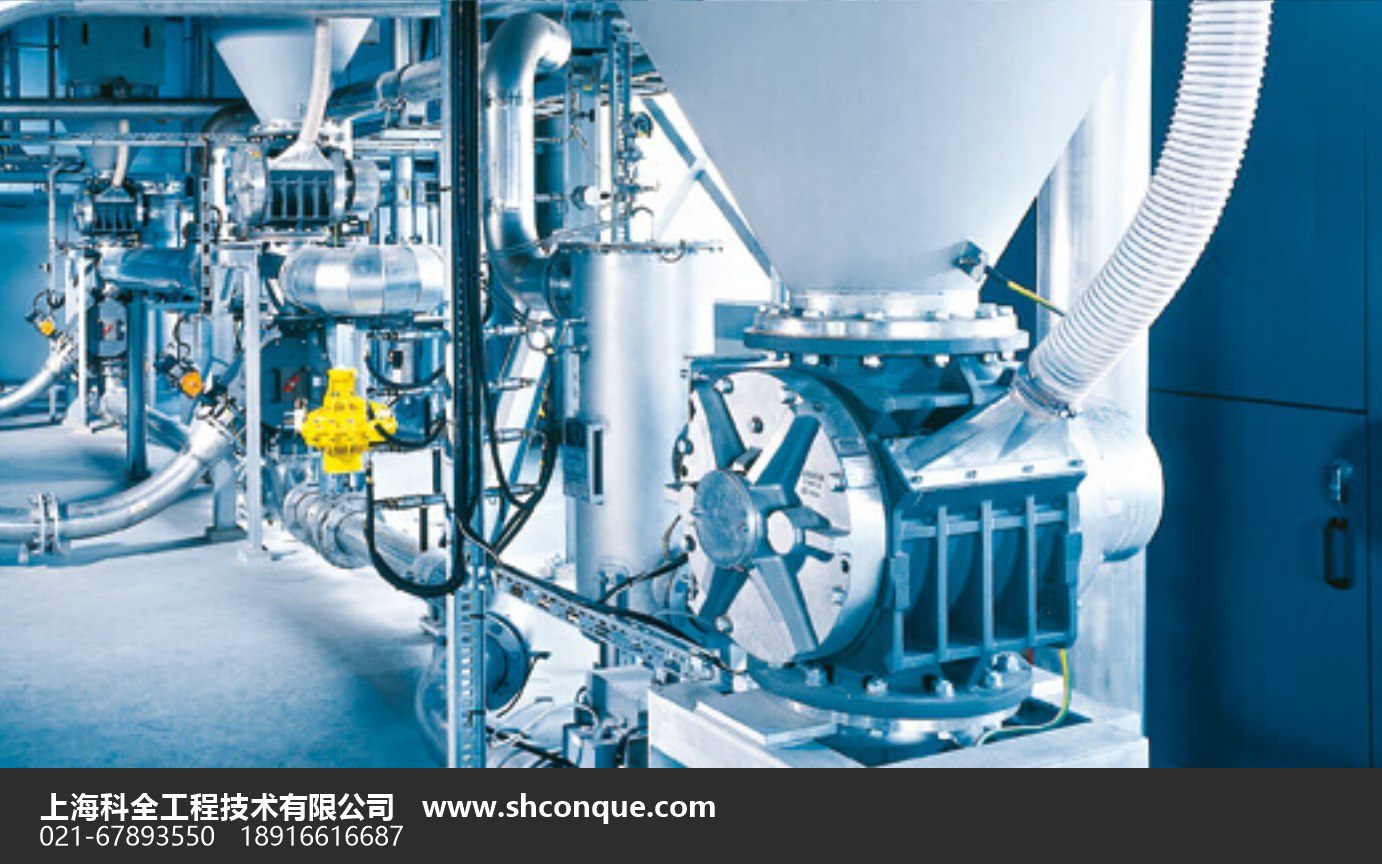
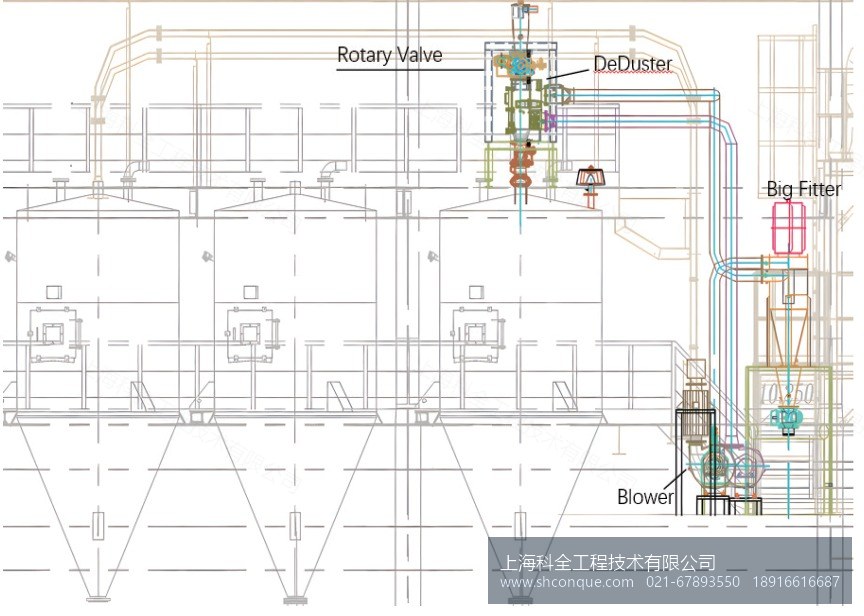
- 供料:旋转阀、发送罐(仓泵)或文丘里;
- 管路:直管、弯头、换向阀、助推器;
- 末端:分离器、除尘器、料仓与排气处理。
弯头是磨损与压损的主要来源:能少一个弯就少一个,必须拐弯时优先大曲率半径。
三、怎么选
| 条件 | 倾向 |
|---|---|
| 距离短、产能大、物料不怕破碎 | 稀相正压,系统简单、投资低 |
| 物料易碎、易磨蚀、要求低破碎 | 密相低速,压损高但磨损小 |
| 取料点分散、要避免扬尘 | 负压(真空)输送 |
| 多点取料、单点集中 | 负压主管 + 分支切换 |
| 高温、易吸潮、易结露 | 需配套干燥与保温,气源露点要先定 |
*终参数(风速、料气比、压损)应由物料试验或同类工况数据确定,不要只按经验表套用。
四、常见问题
稀相和密相怎么快速判断?
看风速与料气比:稀相颗粒基本悬浮、风速高;密相物料成栓或集团运动、风速低。工程上更稳的做法是按物料试验测压损曲线,而不是只按名称选。
为什么会堵管?
常见原因:风速不足、物料含水结块、弯头积料、供料量突增、气源压力波动。先查*不利段(*长水平段与*后一个弯头)。
负压输送能送多远?
受可用真空度限制,距离越长、漏风越敏感。长距离通常改用正压或正压+中转站。
旋转阀在气力输送里起什么作用?
既是供料器也是锁气器:把物料均匀送入管道,同时阻止管道压力反窜到料仓。压差大的场合要选高压型并核算泄漏量。
English Overview — Pneumatic Conveying: Dilute, Two-Phase and Dense Phase
Pneumatic conveying selection starts with the solids loading ratio, not with the blower. Dilute phase runs at high velocity and low concentration; dense phase runs at low velocity and high concentration; two-phase sits between them and is the least forgiving.
- Dilute phase — 15–25 m/s, loading ratio 1–5, positive or negative pressure. Simple and tolerant of distance, but abrasive for friable products.
- Dense phase — 1–8 m/s, loading ratio 10–50, pressure vessel or high-pressure blower. Gentle on product and pipe, but needs a proper pressure profile and a reliable valve.
- Rotary valve — the airlock is the metering device and the pressure boundary at the same time; leakage and wear here decide whether the line holds rate.
| Parameter | Dilute phase | Dense phase |
|---|---|---|
| Velocity | 15 – 25 m/s | 1 – 8 m/s |
| Loading ratio | 1 – 5 | 10 – 50 |
| Pressure | 0.1 – 0.3 MPa | 0.3 – 0.6 MPa |
| Distance | up to 300 m | up to 500 m |
| Product damage | higher | low |
| Typical use | granules, cement, fly ash | friable, abrasive, fragile |
How do I choose between dilute and dense phase?
Start from the product: if it breaks, abrades the pipe or must run slowly, go dense. If it is free-flowing, the distance is long and budget matters, dilute is cheaper. Then check the air supply you actually have.
Why do lines block at start-up?
Usually the pick-up velocity is below the saltation point, or the airlock leaks. Measure the actual air flow at the inlet, not at the blower, and check valve clearance before adding pressure.
What decides wear?
Velocity cubed, plus particle shape and hardness. Bends wear first; use long-radius bends and keep dense-phase velocity low rather than buying thicker pipe.
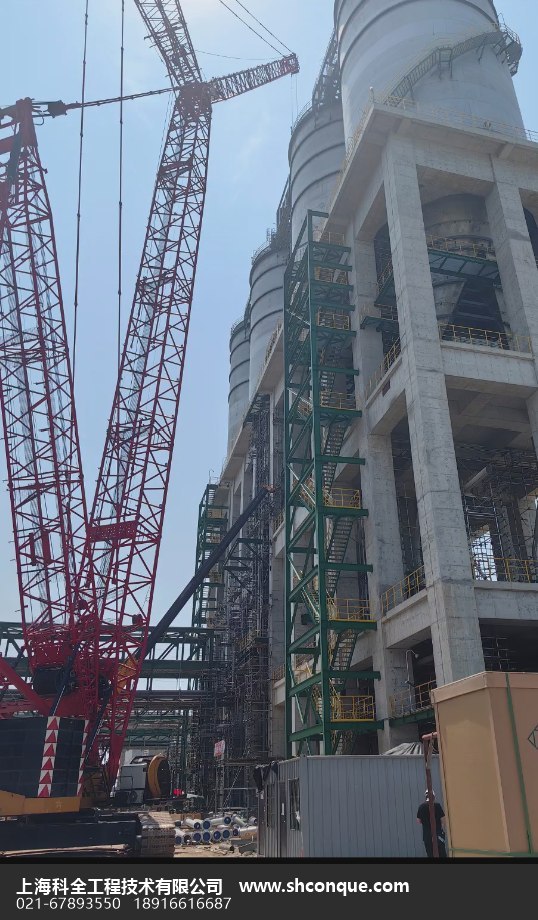
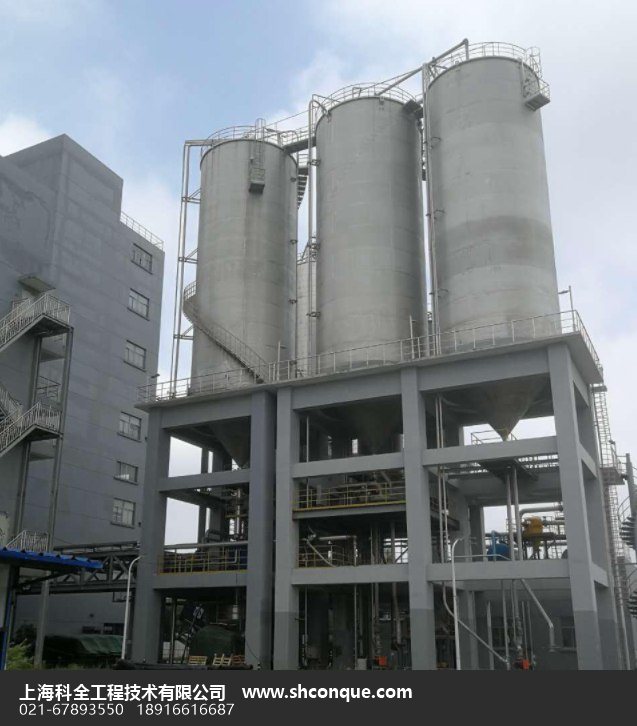
五、现场图集